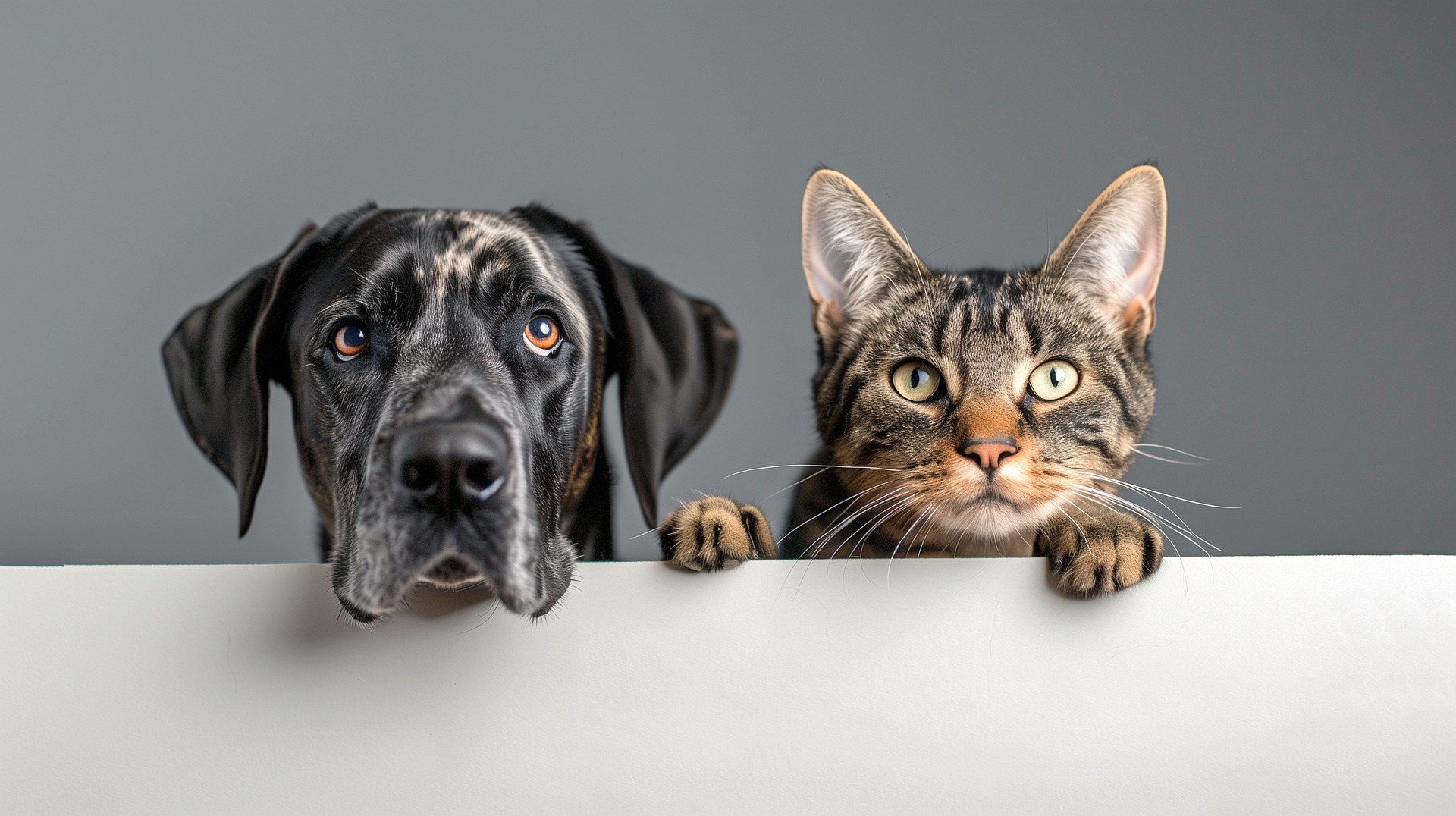
Why Do Sick Cats Hide While Dogs Stay Close to Their Owners?
People often joke that the world is divided into cat lovers and dog lovers—much like those who swear by Android or iPhone. Everyone is convinced they've made the right choice, and the debate never really ends.
But jokes aside, cats and dogs often behave very differently when they're ill. And the reason has much less to do with personality than with thousands of years of evolution.
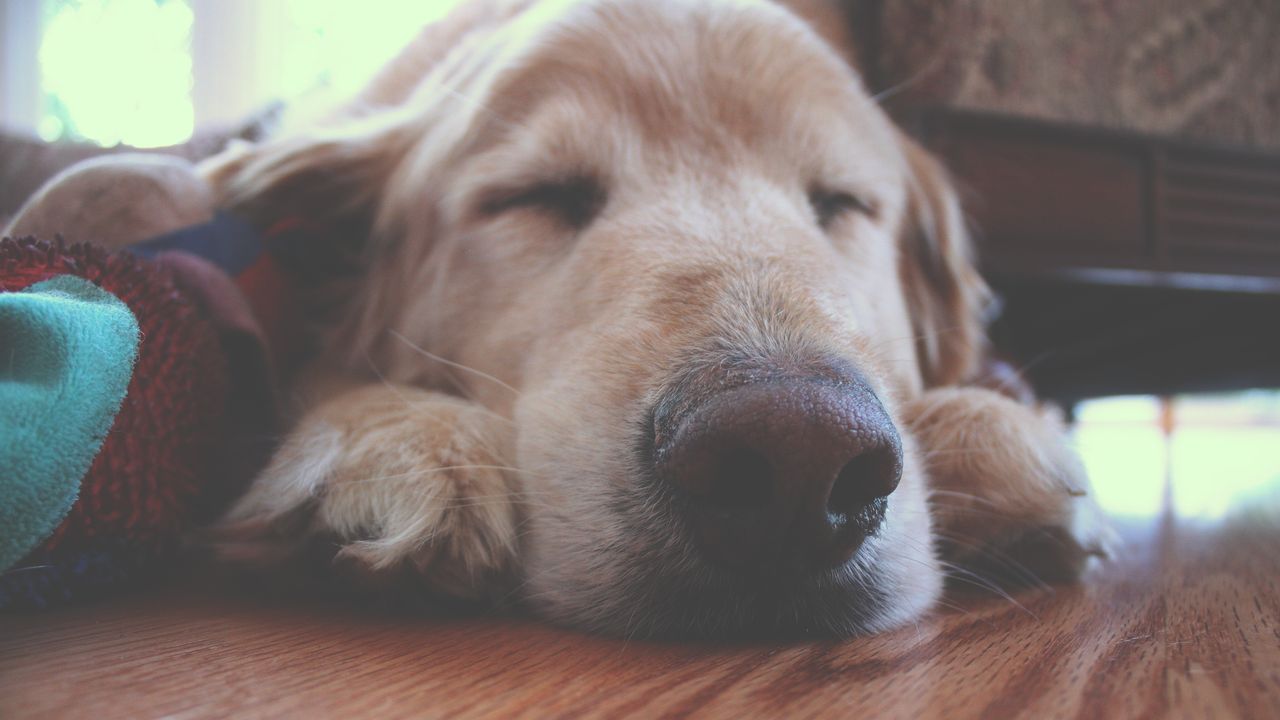
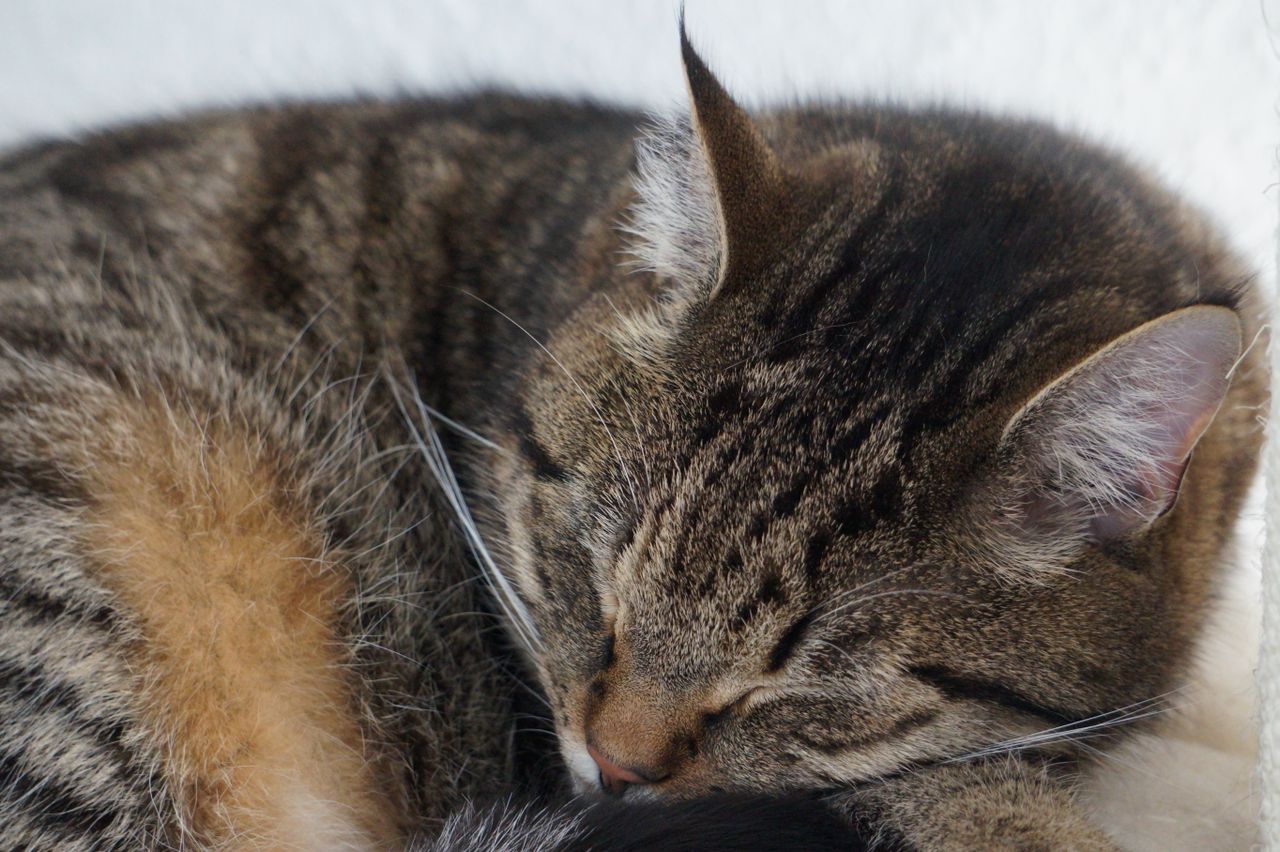
When a dog doesn't feel well, it will often stay close to its owner. It may lie beside you, look into your eyes, or quietly seek comfort and reassurance. Cats, however, often react in the opposite way. A cat that was happily purring on your lap yesterday may suddenly disappear under the bed or hide in the back of a closet.
Why?
It All Started Thousands of Years Ago
Although both cats and dogs have lived alongside humans for centuries, their wild ancestors survived in very different ways.
Cats evolved as solitary hunters. They hunted alone and depended entirely on themselves for survival. A sick or injured cat became an easy target for larger predators, so the safest strategy was to hide, remain unnoticed, and recover in a secure place. They hunted aloneand depended entirely on themselves for survival. A sick or injured cat became an easy target for larger predators, so the safest strategy was to hide, remain unnoticed, and recover in a secure place.
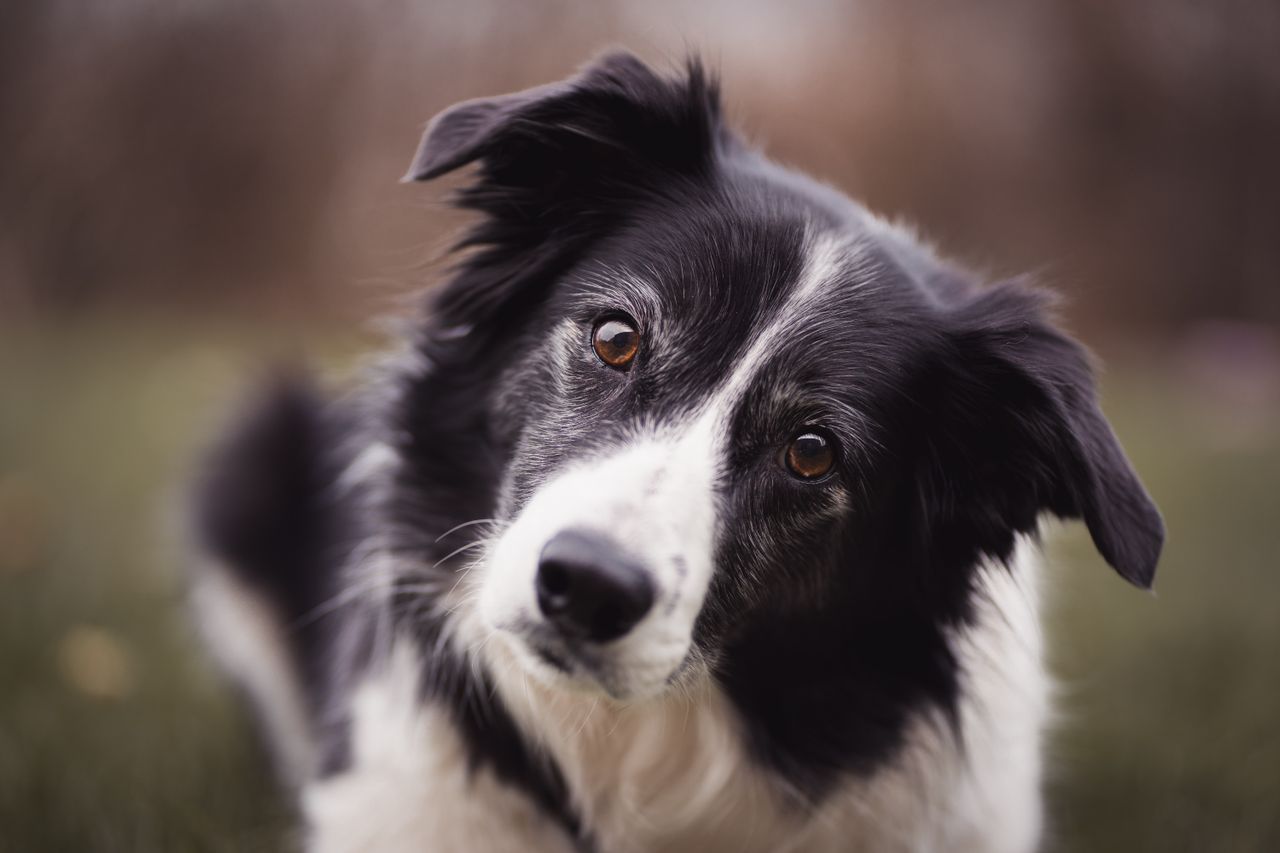
Dogs, on the other hand, descended from wolves— highly social animals that lived in packs.A sick or injured wolf was not always left to face danger alone. The support of the pack often increased its chances of survival. That instinct still influences our pets today. Many dogs naturally turn to the people they trust most when they feel vulnerable.
Why Cats Hide
For a cat, hiding weakness is an ancient survival instinct. Even a cat that has spent its entire life indoors may instinctively seek out a quiet, hidden place when it feels unwell. This doesn't mean your cat no longer trusts you. It simply means that thousands of years of evolution are telling it to stay out of sight until it feels stronger.
Why Dogs Seek Comfort
Many dogs become even more affectionate when they're sick. They may follow their owner from room to room, rest their head on a lap, or simply want to stay close. Of course, not every dog behaves this way, but in general, dogs are more likely to seek comfort than isolation.
Every Pet Is Different
Just like people, every animal has its own personality. Some cats, especially those with a very strong bond to their owner, may also seek comfort and reassurance. Likewise, some dogs prefer to be left alone when they don't feel well. That's why it's so important to know what is normal for your pet.
When Should You Be Concerned?
If your cat suddenly starts hiding when it never used to, or if your usually energetic and happy dog becomes unusually quiet, lethargic, or loses interest in walks, it may be an early sign of illness. In these situations, don't simply wait and hope things will improve on their own. Watch your pet carefully, and if the behavior continues or other symptoms appear, contact your veterinarian.